Cat N Check: Non-Structural Write-Off Check by Reg
WE CHECK:
- Outstanding finance (data provided by Experian)
- Insurance write-off (data provided by Experian)
- Stolen check (data provided by Experian)
- Mileage & clocking (data provided by Experian)
- MOT history
- Market valuation
- Salvage & auction (data provided by Experian)
- Car spec & options
and much more
*Data provided by Experian
What does Cat N mean?
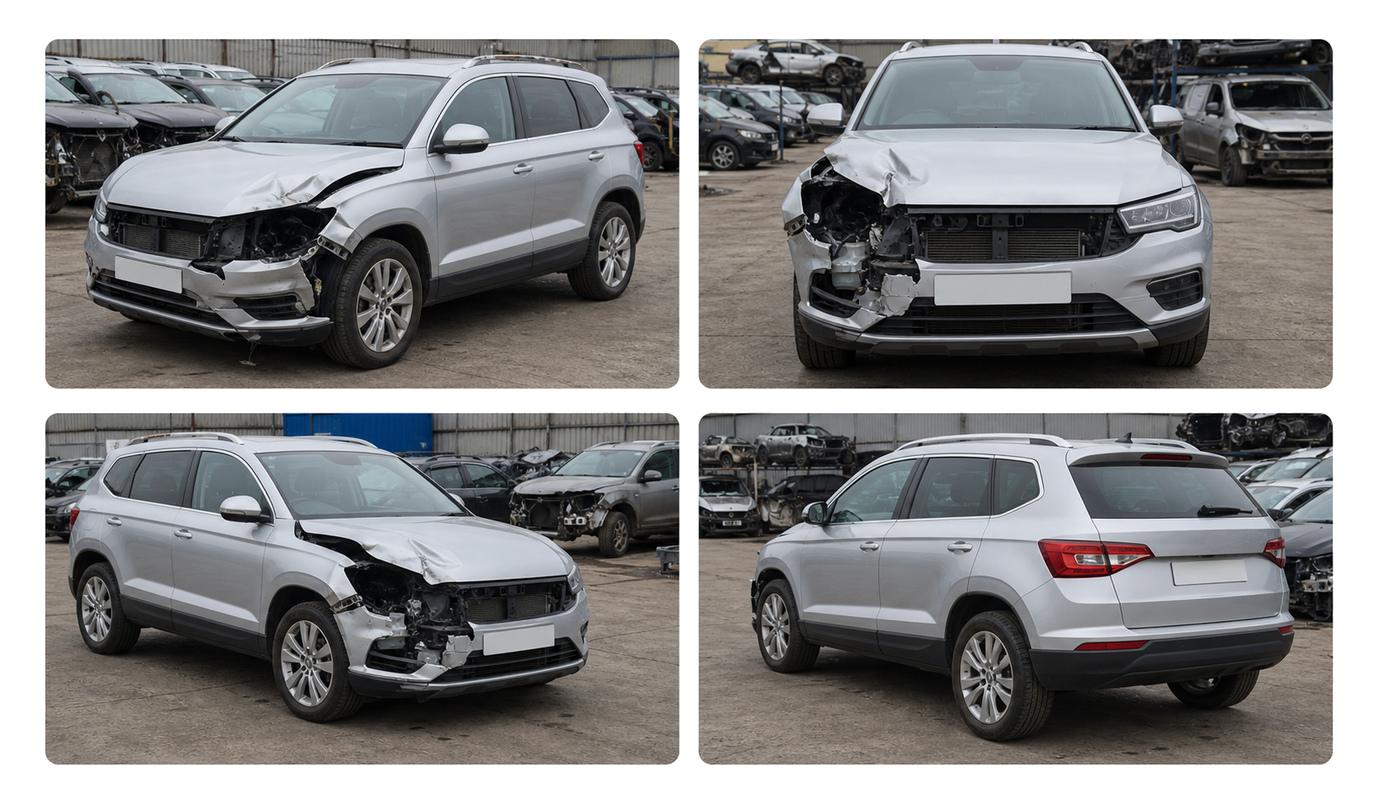
Cat N means an insurer wrote the car off for non-structural damage and chose not to repair it. The car's structure was not damaged. A Cat N car can be repaired and returned to the road without being re-registered, but it still has a write-off history, and you should declare it when you insure the car.
Why Cat N History Matters
Non-structural write-offs still reduce resale value and must be declared to insurers. An undisclosed Cat N can leave you out of pocket.
Non-Structural Damage Flagged
Cat N covers cosmetic, electrical and non-load-bearing mechanical damage. The car structure is intact, but damage was enough for insurers to write it off
National Insurer Records
Checked against UK insurer write-off databases. If the car was ever declared Cat N, it will appear on your Carhealth report
Still Affects Value
Cat N cars are usually worth less than undamaged equivalents, even when cosmetically repaired to a high standard
Must Be Declared
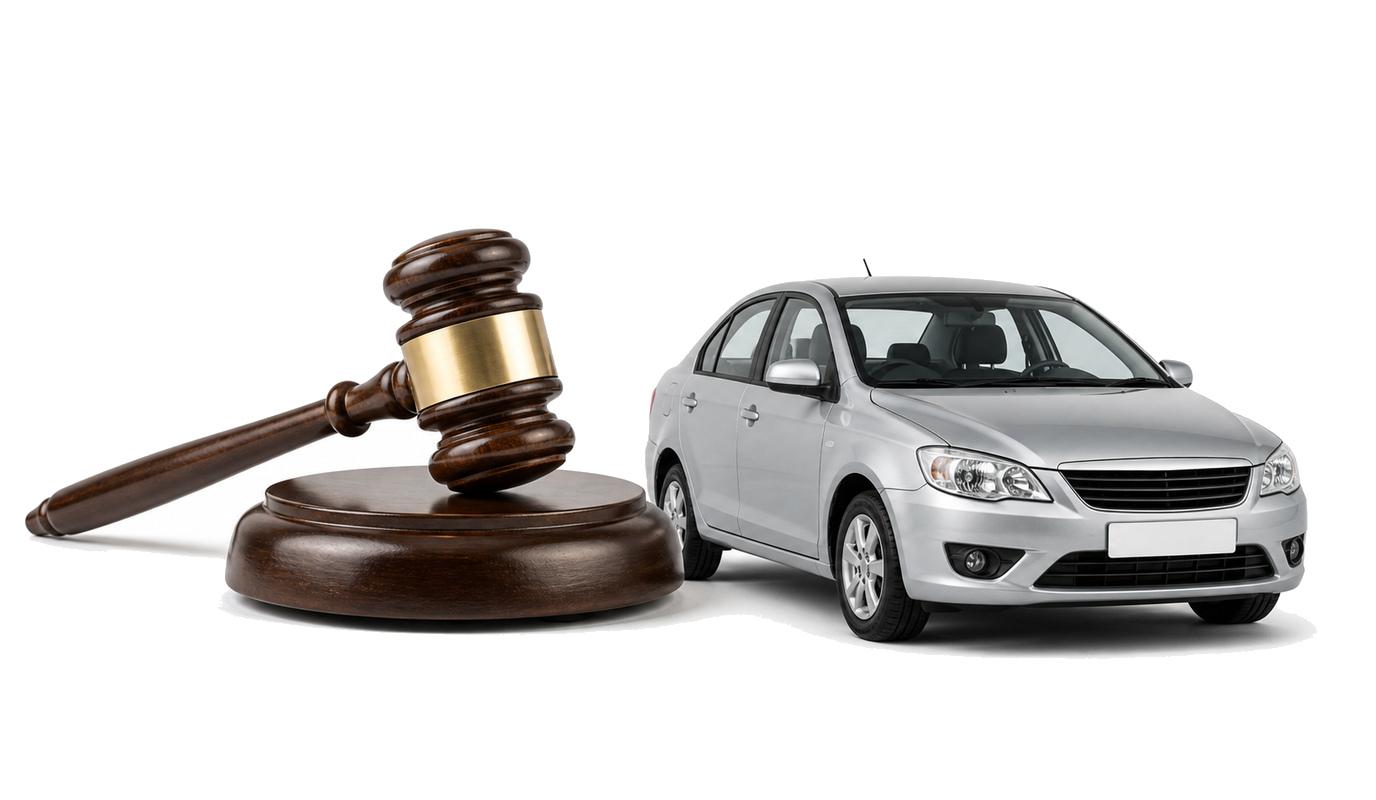
Failing to disclose Cat N history to your insurer can invalidate your policy. Always declare write-off history when applying for cover
How it works
From registration plate to full report, in under a minute.
Step 1Enter your registration
Every UK car has a unique registration on its number plate or V5C logbook. Takes seconds to type in.
Step 2We search multiple sources
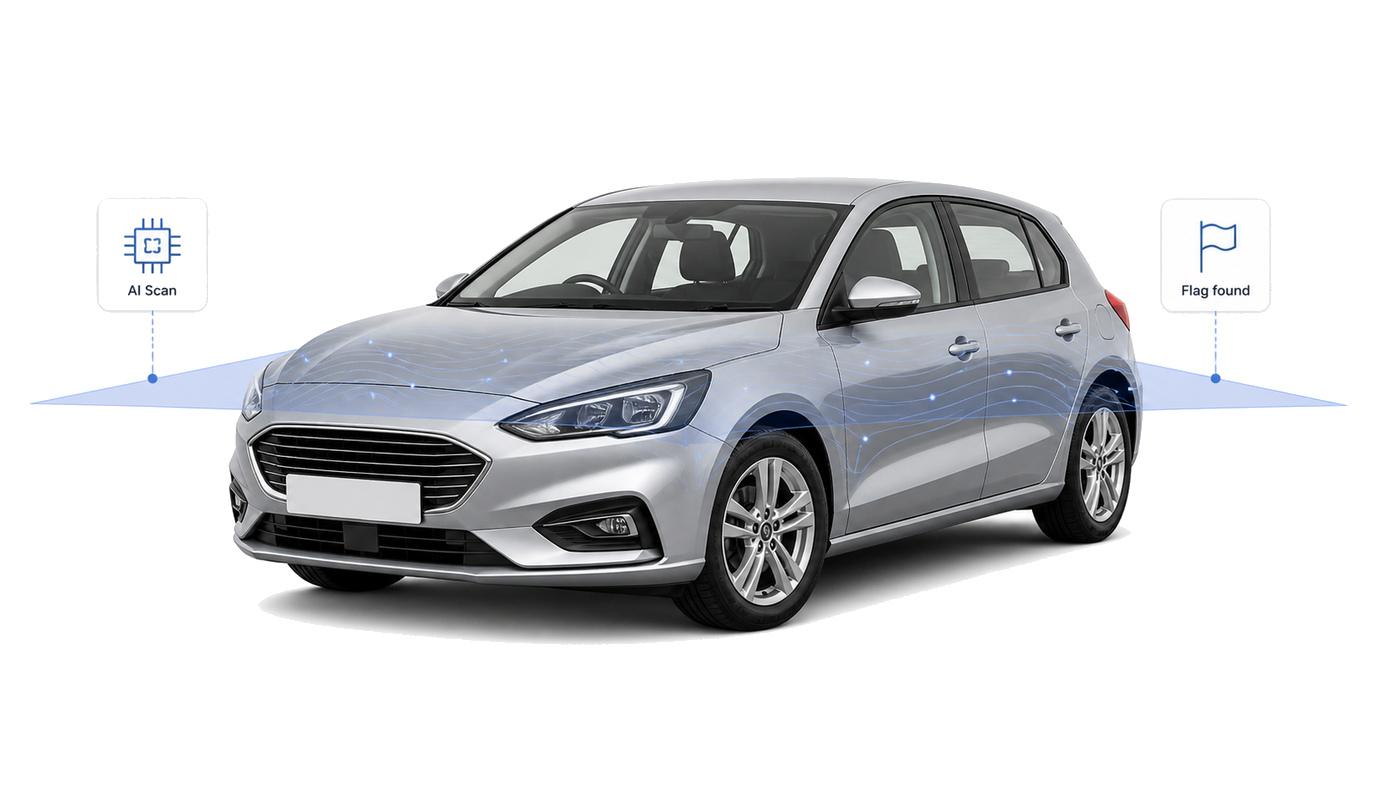
We pull from DVLA, DVSA, police databases, insurance records, auction houses, and more, all at once.
Step 3Your report is ready
Your history report is ready in under a minute, covering finance, theft, mileage, accidents, and more.
Step 4Buy with confidence
Use your report to negotiate a better price, avoid hidden problems, and make a safe, informed purchase.
View sample report →
Everything inside a Carhealth report.
Our checks go far beyond the basics: the full picture, before you hand over any money.
Finance, theft, write-offs and clocking.
Outstanding finance (data provided by Experian)
Any finance agreement still recorded against the car, with the lender and agreement type.
Write-offs and theft (data provided by Experian)
Insurance write-off categories, police stolen records and the car's DVLA status.
Salvage and auction records (data provided by Experian)
Salvage auction history, with links to the auction photos where available.
Mileage checks (data provided by Experian)
Every recorded reading over time, so you can see whether the mileage adds up.
Taxi and private hire
Whether the car has been licensed as a taxi or private hire vehicle.

*Data provided by Experian
Frequently Asked Questions
Common questions about cat n check on Carhealth
Cat N stands for Category N (non-structural). It is a UK insurance write-off category introduced in 2017, replacing the old Cat D designation. A Cat N vehicle sustained non-structural damage: this includes cosmetic panels, trim, electrical systems, airbag deployment, or non-load-bearing mechanical components. The vehicle's core structure (chassis, crumple zones, pillars) was not compromised. Cat N cars can legally return to the road after repair and do not require a formal structural inspection, but the write-off marker stays on the vehicle's history permanently.
Run a Carhealth vehicle history report using the car's number plate. The report queries UK insurer write-off databases and returns the write-off category, the date of the incident, and whether the vehicle has since been returned to road. Results arrive in under 60 seconds. Free checks such as the DVLA vehicle enquiry service do not include write-off history. An accredited provider is the only way to access insurer records.
In most cases, yes. Because Cat N damage is non-structural, the car's core safety architecture (its chassis, crumple zones, and pillars) should be intact. However, the quality of cosmetic and electrical repairs varies. Poorly repaired airbag systems or substandard panel work can create hidden problems. Before buying, ask for the full repair invoice, check all safety systems work correctly, and consider having an independent pre-purchase inspection. See /write-off-check for information on all write-off categories.
A Cat N designation usually reduces market value compared to a clean-history equivalent, though less than a Cat S. The extent of the reduction depends on repair quality, the original damage severity, and the make and model. Airbag deployments in particular can be expensive to repair properly, and poorly repaired systems are a red flag. Factor the write-off status into your negotiation. A seller asking close to market value for a Cat N car without disclosing the history may be misrepresenting the vehicle.
Yes. You must declare Cat N (and all write-off) history to your insurer when applying for cover. This is a material fact: withholding it can invalidate your policy and result in refused claims. Most insurers ask specifically about write-off history on their application forms. Get quotes from multiple insurers before completing your purchase, as premiums for Cat N cars are typically higher than for undamaged equivalents.
Cat N (non-structural) means the damage was limited to cosmetic, electrical or non-load-bearing components. Cat S (structural) means the chassis, crumple zones or structural pillars were damaged. Both allow the car to return to road after repair, and both must be declared to insurers. Cat S repairs are more expensive, require a formal inspection, and typically cause a larger value reduction. See /cat-s-check for more on Category S write-offs.
Related guides
Plain-English reading on this check, from the Carhealth blog.