VIN Check UK: Verify the Car's Identity Before You Buy
WE CHECK:
- Outstanding finance (data provided by Experian)
- Insurance write-off (data provided by Experian)
- Stolen check (data provided by Experian)
- Mileage & clocking (data provided by Experian)
- MOT history
- Market valuation
- Salvage & auction (data provided by Experian)
- Car spec & options
and much more
*Data provided by Experian
Why a VIN Check Matters
The VIN is the car's fingerprint. Checking it matches the V5C and the DVLA record is the first step in detecting fraud.
What is a VIN?
The Vehicle Identification Number (VIN) is a unique 17-character code assigned to every car at manufacture. It encodes the make, model, year, factory, and a unique serial number. No two vehicles share the same VIN
Where to Find the VIN
Three places to check: the V5C logbook (front page), a plate stamped into the windscreen base (driver's side), and a plate on the door pillar or sill. All three should match. A mismatch is a serious red flag
Anti-Cloning Protection
Car cloning means a criminal takes the identity of a legitimate vehicle and applies it to a stolen car. Checking that the VIN on the car matches the V5C and the DVLA record is the first step in detecting a clone
Full History by Reg or VIN
A Carhealth report checks finance, stolen (PNC), write-off, mileage, and MOT history, all cross-referenced against the vehicle's VIN and registration to detect inconsistencies
What's Included in Your VIN Check
How Carhealth compares to traditional vehicle check services.
Carhealth Report
from
£19.99
Standard checks
- Vehicle Tax Check
- MOT History (Full)
- Stolen Vehicle Check (data provided by Experian)
- Insurance Write-off Check (data provided by Experian)
- Mileage Verification (data provided by Experian)
- Scrapped/Imported Status (data provided by Experian)
- Outstanding Finance Check (data provided by Experian)
Only with Carhealth
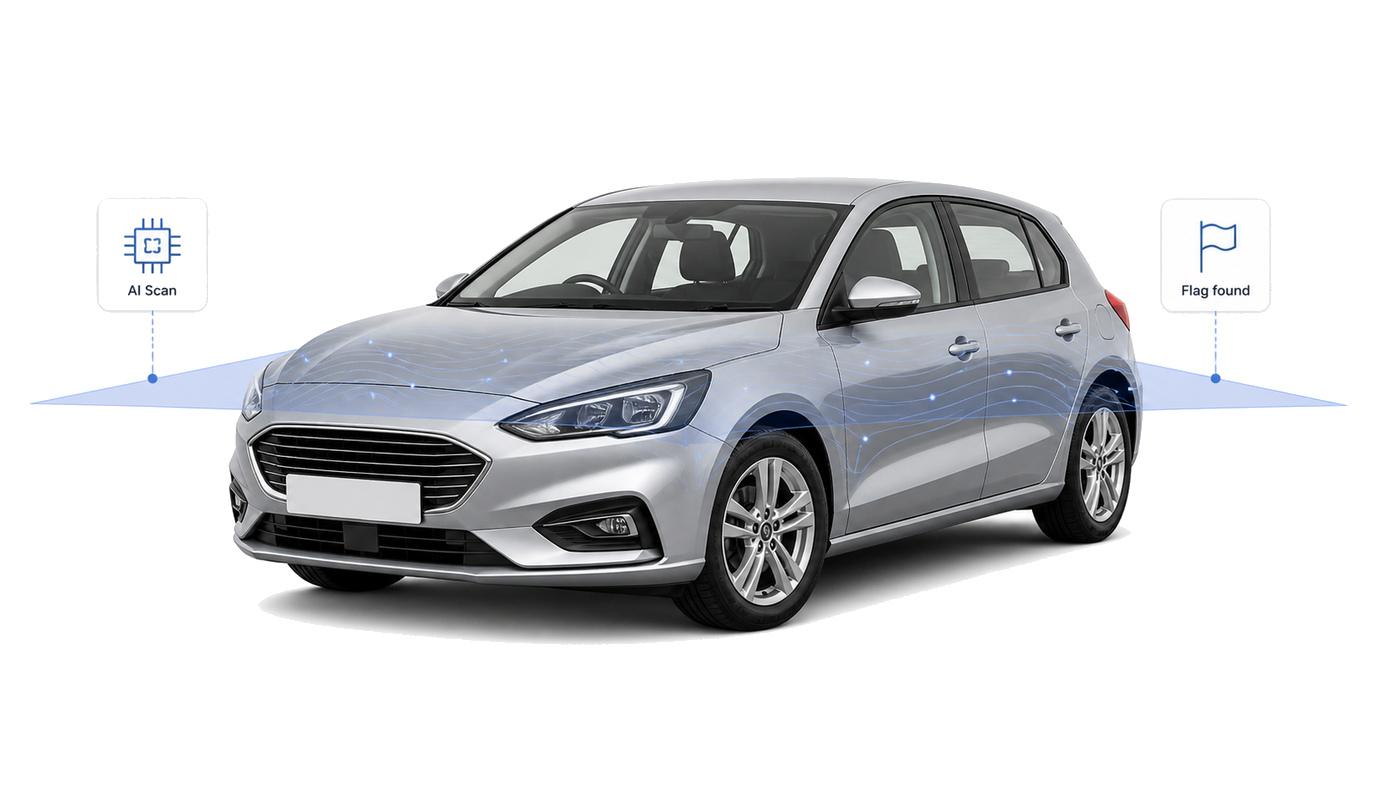
- AI Analysis
- Buyers Guide
- Maintenance Required
- Common Problems
Also in every report
- Salvage & auction records (data provided by Experian)
- Market value & 5-year forecast
- Safety recalls & NCAP rating
- Tax & ULEZ status
- Life expectancy estimate
- Previous adverts
- Cost to own
- Negotiation brief
- Advert check
- Inspection checklist
- Ask the report
- Specification & options
Typical basic check
up to £39.99
Highest UK single-check price we found, checked 4 October 2026
Standard checks
- Vehicle Tax Check
- MOT History (Full)
- Stolen Vehicle Check
- Insurance Write-off Check
- Mileage Verification
- Scrapped/Imported Status
- Outstanding Finance Check
Not included
- AI Analysis
- Buyers Guide
- Maintenance Required
- Common Problems
*Data provided by Experian
How it works
From registration plate to full report, in under a minute.
Step 1Enter your registration
Every UK car has a unique registration on its number plate or V5C logbook. Takes seconds to type in.
Step 2We search multiple sources
We pull from DVLA, DVSA, police databases, insurance records, auction houses, and more, all at once.
Step 3Your report is ready
Your history report is ready in under a minute, covering finance, theft, mileage, accidents, and more.
Step 4Buy with confidence
Use your report to negotiate a better price, avoid hidden problems, and make a safe, informed purchase.
View sample report →
Everything inside a Carhealth report.
Our checks go far beyond the basics: the full picture, before you hand over any money.
Finance, theft, write-offs and clocking.
Outstanding finance (data provided by Experian)
Any finance agreement still recorded against the car, with the lender and agreement type.
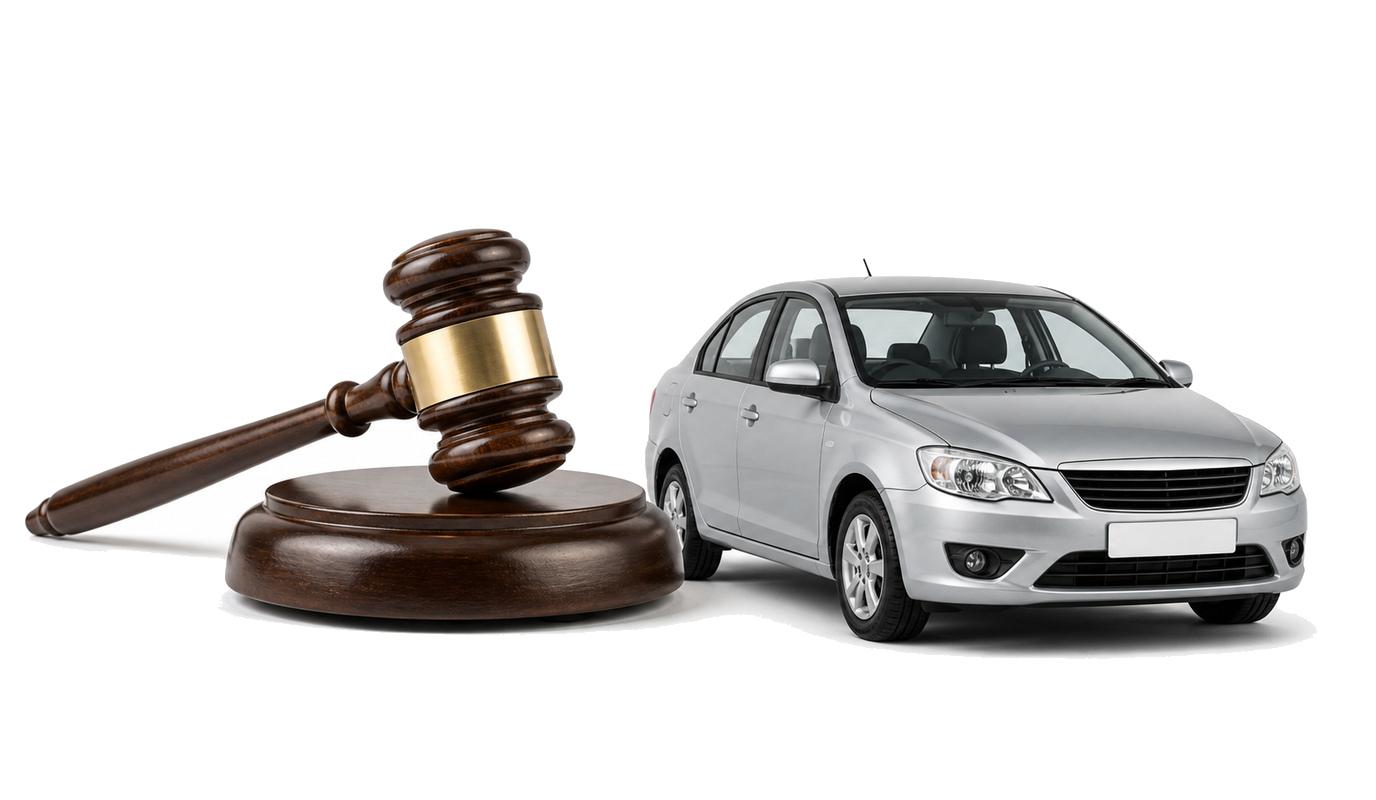
Write-offs and theft (data provided by Experian)
Insurance write-off categories, police stolen records and the car's DVLA status.
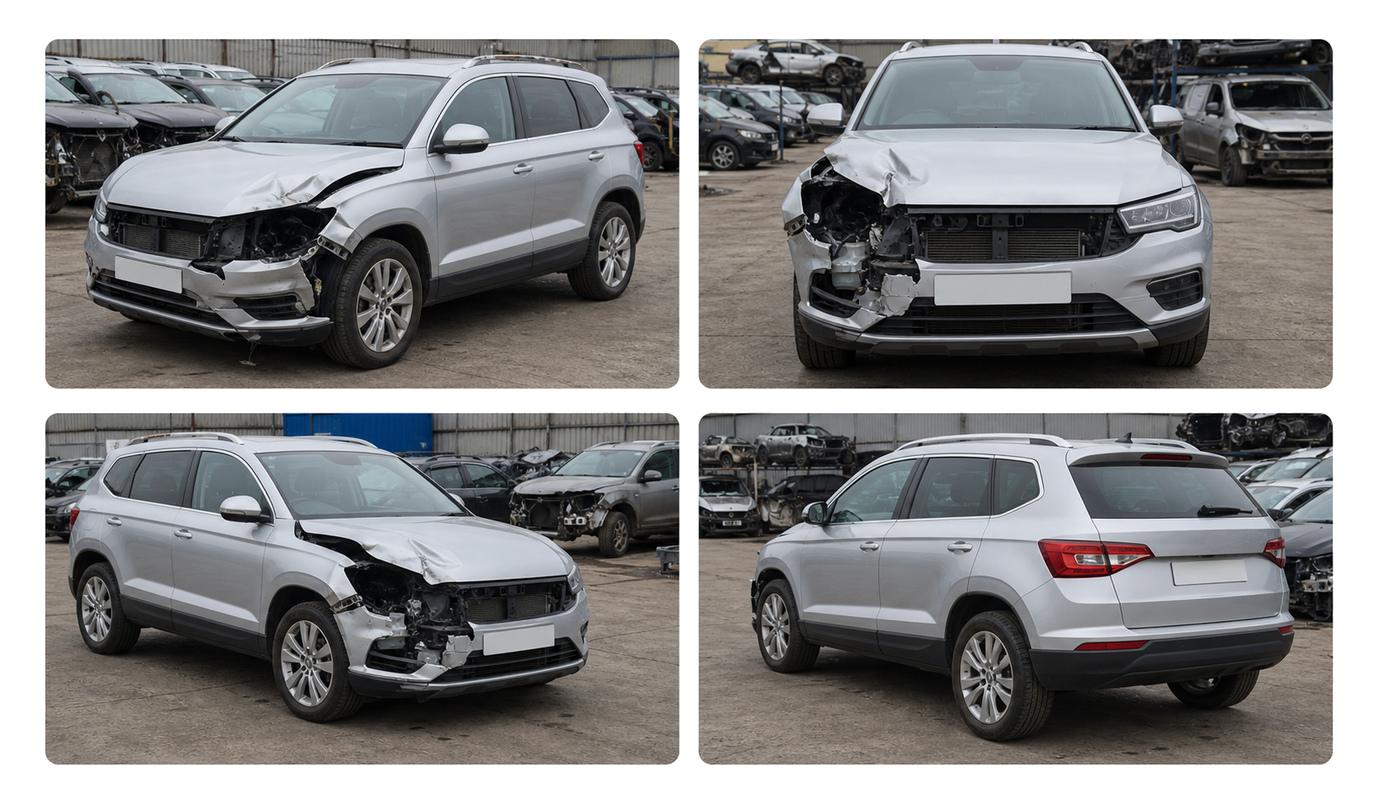
Salvage and auction records (data provided by Experian)
Salvage auction history, with links to the auction photos where available.
Mileage checks (data provided by Experian)
Every recorded reading over time, so you can see whether the mileage adds up.
Taxi and private hire
Whether the car has been licensed as a taxi or private hire vehicle.

*Data provided by Experian
Frequently Asked Questions
Common questions about vin check uk on Carhealth
A Vehicle Identification Number (VIN) is a unique 17-character alphanumeric code assigned to every motor vehicle at the point of manufacture. It functions as the car's fingerprint. The VIN encodes the country of manufacture, the manufacturer, the vehicle type, the model year, the factory where it was built, and a unique serial number. No two vehicles produced in the same year should share the same VIN. In the UK, the VIN must appear in the V5C logbook, and is also stamped onto the car itself, typically at the base of the windscreen on the driver's side and on the door pillar or sill.
There are three places to look. First, the V5C registration document (logbook): the VIN appears on the front page. Second, the windscreen: look for a small plate or etching at the base of the windscreen on the driver's side. Many manufacturers stamp the VIN here so it can be read from outside the vehicle. Third, the door pillar or sill: open the driver's door and look for a plate on the door frame or the sill. All three VIN locations should display exactly the same number. If the VIN on the car does not match the V5C, do not buy the vehicle until you have a satisfactory explanation.
Car cloning is a form of fraud where a criminal takes the registration plates, and sometimes false VIN plates, of a legitimate, identically-specced vehicle and applies them to a stolen car. The clone looks genuine on a basic plate check because the identity belongs to a real vehicle. Detection steps: (1) Physically check that the VIN on the car matches the V5C. (2) Check that the vehicle colour, engine size, and specification in the V5C matches the car in front of you. (3) Run a full history check. A Carhealth report checks the Police National Computer stolen register, which a basic plate search cannot access. (4) Be suspicious of any car where the seller cannot produce the original V5C or is evasive about VIN locations.
Carhealth's standard check runs by UK registration plate, which is the most reliable identifier for UK-registered vehicles and maps directly to DVLA, DVSA, and finance register records. If a vehicle's registration has changed (e.g. personalised plate transfer) or if there is any discrepancy between the plate and the logbook, the VIN acts as the definitive identifier. If you encounter any inconsistency between the plate and VIN during a physical inspection, contact Carhealth support and we can assist with a VIN-based investigation.
A full history check cross-referenced against a vehicle's VIN and registration can reveal: whether the vehicle is recorded as stolen on the Police National Computer; whether outstanding finance (HP or PCP) is registered against it; whether it has been written off by an insurer (Cat S, Cat N, Cat A, Cat B); the full DVSA MOT history including recorded mileages; any mileage anomalies suggesting clocking; and the vehicle's specification as recorded by DVLA. A VIN mismatch, where the number on the car does not match the V5C, is itself a major red flag that warrants immediate investigation before any purchase.
Locate the VIN on the car physically. Windscreen base and door pillar are the most common locations. Then compare it character by character with the VIN shown on the V5C logbook's first page. Note that VINs never contain the letters I, O, or Q (to avoid confusion with 1, 0, and 0). If you see those letters, something is wrong. If the VIN on the car matches the V5C, the next step is to run a full history check to confirm the vehicle's identity against official databases including the DVLA record, finance register, and Police National Computer.
Related guides
Plain-English reading on this check, from the Carhealth blog.