Write-Off Check.
WE CHECK:
- Outstanding finance (data provided by Experian)
- Insurance write-off (data provided by Experian)
- Stolen check (data provided by Experian)
- Mileage & clocking (data provided by Experian)
- MOT history
- Market valuation
- Salvage & auction (data provided by Experian)
- Car spec & options
and much more
*Data provided by Experian
What does a write-off check tell you?
A write-off check tells you whether an insurer has ever declared a car a total loss, and in which category: A, B, S or N. Cat A and Cat B cars must never return to the road. Cat S and Cat N cars can be repaired and driven again, but the history must be declared to your insurer.
Why Write-Off Checks Matter
An undisclosed write-off can mean dangerous repairs, voided insurance and a car worth far less than you paid.
Cat A / B / S / N Status
The full insurance write-off category, from cosmetic damage (Cat N) to structural damage (Cat S) to unsafe for the road (Cat A and B).
National Insurance Records
Checked against UK insurer databases. If any insurer has ever declared this vehicle a write-off, it shows on your report.
Free Tools Can't Help
DVLA free checks don't show write-off status. Only accredited providers with insurance database access can confirm write-off history.
Avoid Dangerous Repairs
Cat A and Cat B vehicles must be crushed and are unsafe to drive. Cat S cars need structural repair before returning to the road. Know before you buy.
What's Included in Your Write-Off Check
How Carhealth compares to traditional vehicle check services.
Carhealth Report
from
£19.99
Standard checks
- Vehicle Tax Check
- MOT History (Full)
- Stolen Vehicle Check (data provided by Experian)
- Insurance Write-off Check (data provided by Experian)
- Mileage Verification (data provided by Experian)
- Scrapped/Imported Status (data provided by Experian)
- Outstanding Finance Check (data provided by Experian)
Only with Carhealth
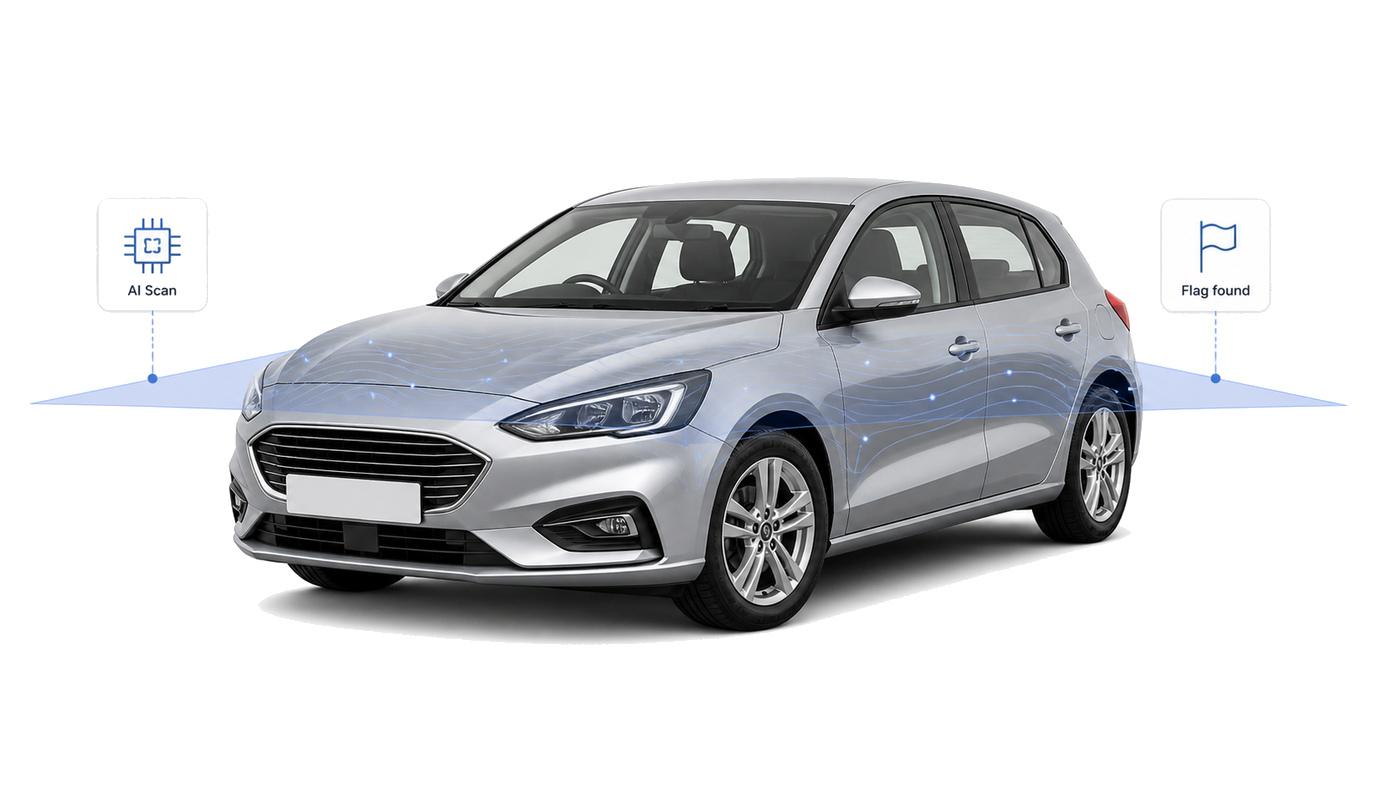
- AI Analysis
- Buyers Guide
- Maintenance Required
- Common Problems
Also in every report
- Salvage & auction records (data provided by Experian)
- Market value & 5-year forecast
- Safety recalls & NCAP rating
- Tax & ULEZ status
- Life expectancy estimate
- Previous adverts
- Cost to own
- Negotiation brief
- Advert check
- Inspection checklist
- Ask the report
- Specification & options
Typical basic check
up to £39.99
Highest UK single-check price we found, checked 4 October 2026
Standard checks
- Vehicle Tax Check
- MOT History (Full)
- Stolen Vehicle Check
- Insurance Write-off Check
- Mileage Verification
- Scrapped/Imported Status
- Outstanding Finance Check
Not included
- AI Analysis
- Buyers Guide
- Maintenance Required
- Common Problems
*Data provided by Experian
How it works
From registration plate to full report, in under a minute.
Step 1Enter your registration
Every UK car has a unique registration on its number plate or V5C logbook. Takes seconds to type in.
Step 2We search multiple sources
We pull from DVLA, DVSA, police databases, insurance records, auction houses, and more, all at once.
Step 3Your report is ready
Your history report is ready in under a minute, covering finance, theft, mileage, accidents, and more.
Step 4Buy with confidence
Use your report to negotiate a better price, avoid hidden problems, and make a safe, informed purchase.
View sample report →
Everything inside a Carhealth report.
Our checks go far beyond the basics: the full picture, before you hand over any money.
Finance, theft, write-offs and clocking.
Outstanding finance (data provided by Experian)
Any finance agreement still recorded against the car, with the lender and agreement type.
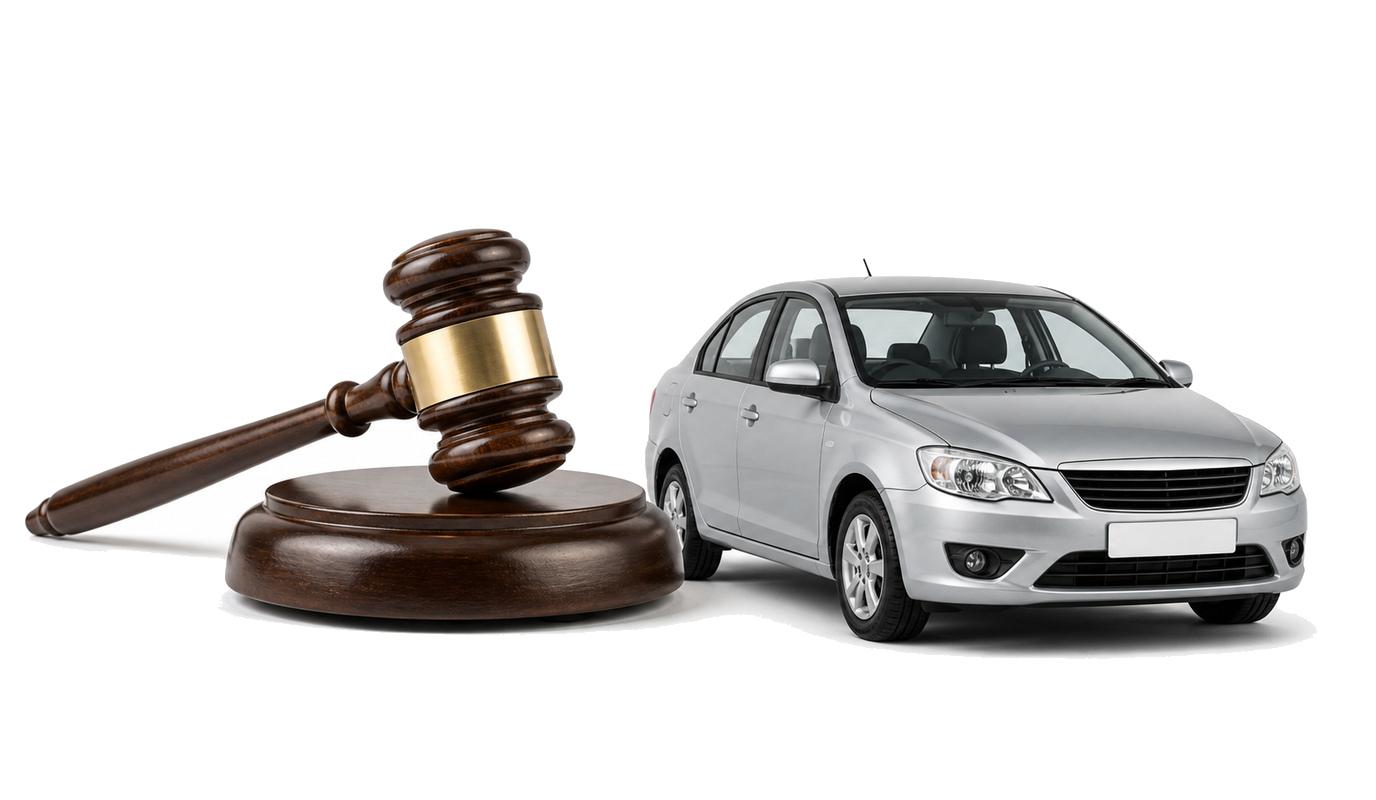
Write-offs and theft (data provided by Experian)
Insurance write-off categories, police stolen records and the car's DVLA status.
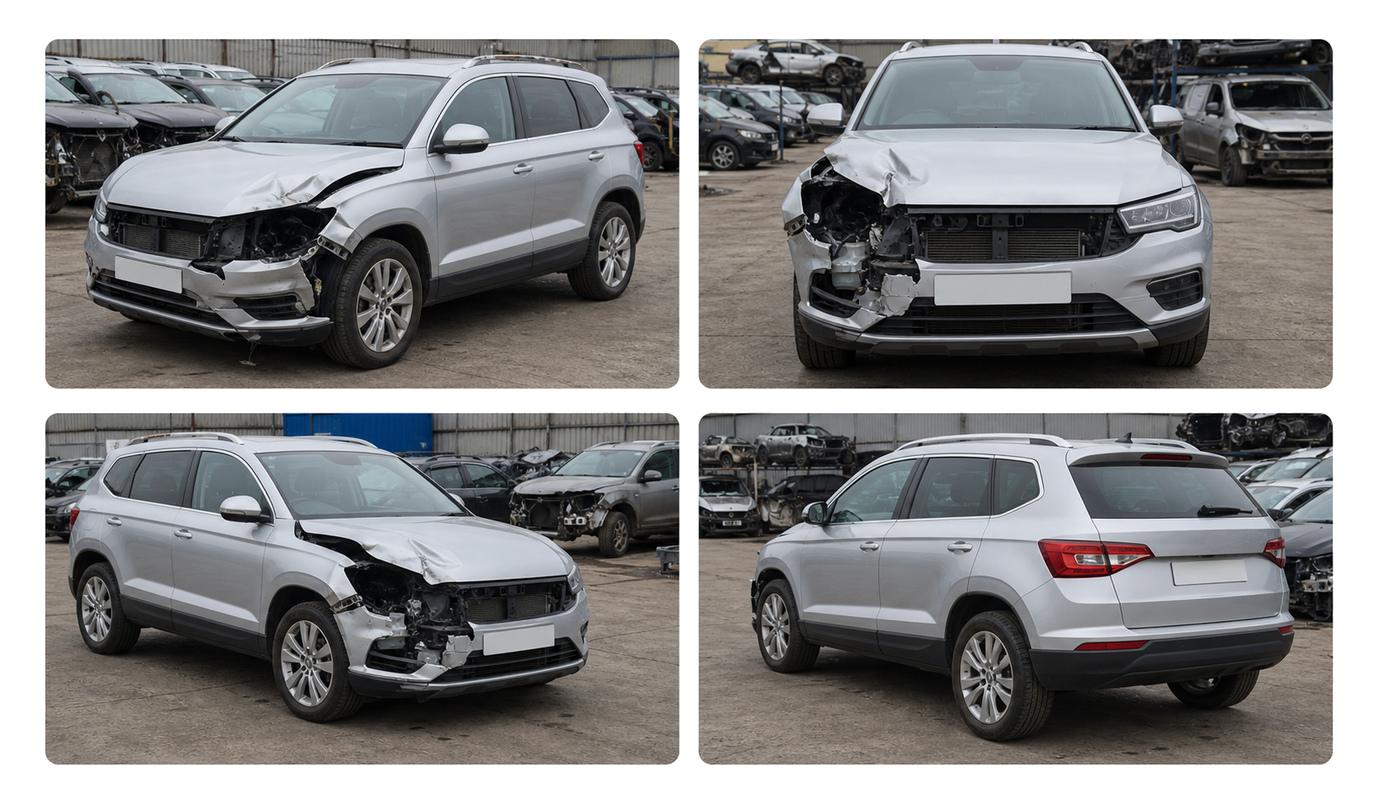
Salvage and auction records (data provided by Experian)
Salvage auction history, with links to the auction photos where available.
Mileage checks (data provided by Experian)
Every recorded reading over time, so you can see whether the mileage adds up.
Taxi and private hire
Whether the car has been licensed as a taxi or private hire vehicle.

*Data provided by Experian
Frequently Asked Questions
Common questions about write off check on Carhealth
An insurance write-off check queries national insurer databases to find out whether a vehicle has ever been declared a total loss (write-off) by an insurance company. When a car is written off, insurers assign a category: Cat A (crush only), Cat B (body crush, parts may be salvaged), Cat S (structural damage, repairable and can return to the road), or Cat N (non-structural damage, repairable and can return to the road). A Carhealth write-off check reveals which category applies, if any.
There are four UK write-off categories. Category A: the vehicle must be crushed entirely and no parts may be reused. Category B: the bodyshell must be crushed, but non-structural parts may be salvaged. Neither Cat A nor Cat B cars may return to the road. Category S (formerly Cat C): the vehicle has sustained structural damage such as a bent chassis or crumple zone. It can legally return to the road after a qualifying repair, but must be re-inspected. Category N (formerly Cat D): the vehicle has non-structural damage (electrical, cosmetic) and can return to the road after repair. Cat S and Cat N cars must be declared on any future insurance policy and typically carry a lower resale value.
Enter the vehicle's registration plate on the Carhealth homepage and run a full history report. The report includes a write-off check against UK insurer records and tells you the category (if any), the date of the write-off, and whether the car has since been repaired and returned to road. Results arrive in under 60 seconds. Free services like the DVLA vehicle enquiry do not access insurer write-off databases, so you need an accredited provider like Carhealth.
Yes, Cat S and Cat N vehicles can legally be bought, repaired, and driven on UK roads. However, you must disclose the write-off history to your insurer, and the car will typically be worth less than an undamaged equivalent, sometimes significantly so. A Cat S car requires a structural repair inspection before returning to road. Always factor repair costs, ongoing insurance implications, and lower resale value into your purchase decision. Cat A and Cat B cars are a different matter: they must not be driven and should only be sold for parts or scrap.
Yes. If you buy a Cat S or Cat N vehicle, you are legally required to declare its write-off history to your insurer. Failure to do so could invalidate your policy. Insurers typically charge higher premiums for write-off cars, and some insurers may decline to cover them at all. The vehicle's agreed value may also be reduced. Knowing about the write-off before purchase lets you get accurate insurance quotes before committing.
Cat S (structural) means the vehicle suffered damage to its structural components: the chassis, crumple zones, sills or pillars. A qualified repairer must fix these and the vehicle must pass an inspection before returning to road. Cat N (non-structural) means the damage was to non-structural parts: trim, electrical systems, or suspension components that aren't load-bearing. Both are write-offs, both must be declared to insurers, and both typically reduce resale value, but Cat S cars generally have more serious underlying damage and repair costs are typically higher. See our full guides at /cat-s-check and /cat-n-check.
Related guides
Plain-English reading on this check, from the Carhealth blog.